Top Social Activities You Can Do with NDIS Support in Australia
In the evolving landscape of the National Disability Insurance Scheme (NDIS), the focus has shifted decisively toward meaningful social inclusion. For participants in 2026, engaging in NDIS supported social activities in Australia is no longer viewed as a peripheral extra, it is recognized as a fundamental pillar of health, independence, and long-term well-being.
Whether you are in a regional hub like Toowoomba or a metropolitan centre, understanding how to align your funding with high-quality NDIS group activities is essential. This guide provides a strategic overview of the most effective social activities currently supported under the scheme, emphasizing the development of functional life skills and genuine community connection.
The Strategic Value of Community Participation Support
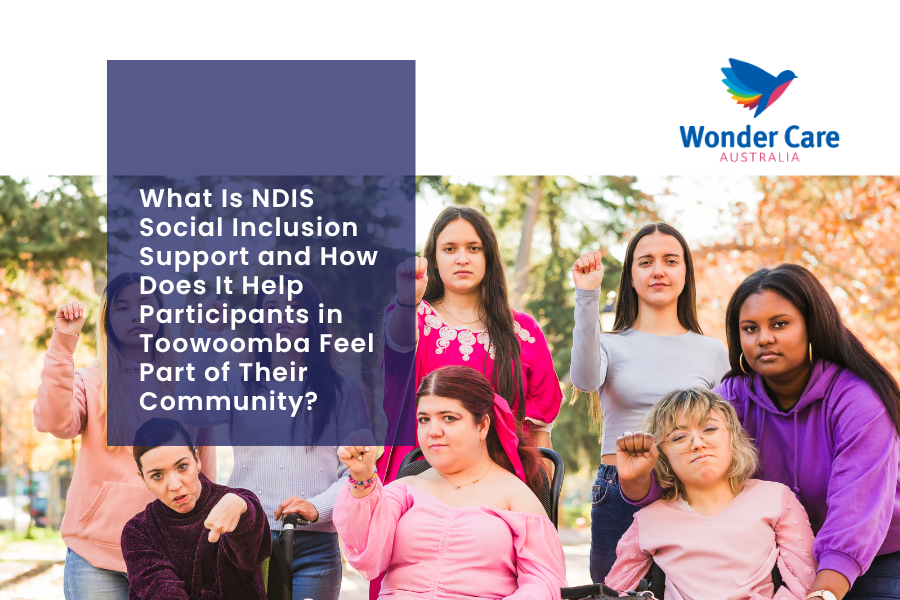
The 2026 NDIS reforms place a high premium on Outcome-Based Support. When we discuss community participation support, we are referring to evidence-led activities designed to reduce social isolation and build capacity. For participants at Wonder Care Australia, the goal is to transition from passive community presence to active community contribution.
Engaging in structured NDIS recreation activities provides several professional and personal advantages:
- Enhanced Mental Health: Regular social interaction is clinically linked to reduced rates of depression and anxiety.
- Functional Skill Acquisition: Group settings provide a real-world environment to practice communication, problem-solving, and emotional regulation.
- Economic Participation: Many social activities serve as a soft entry into volunteering or future employment by building a routine and professional interpersonal skills.
1. Adaptive Sports and Inclusive Physical Wellness
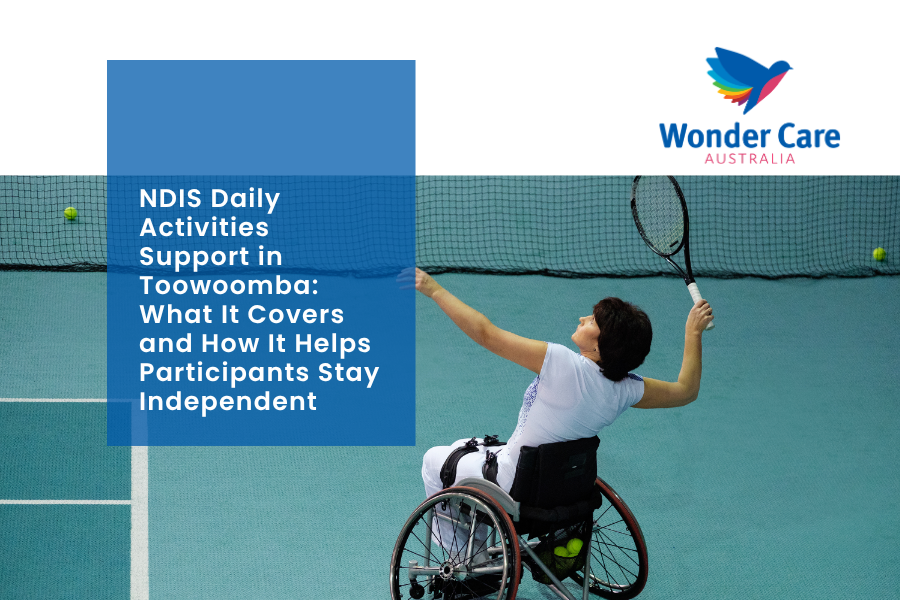
The Australian sports system provides an effective mechanism for people to participate in social activities. The NDIS supported social activities in Australia as its main social activity which provides participants with both physical recovery and social interaction.
Team-Based NDIS Group Activities
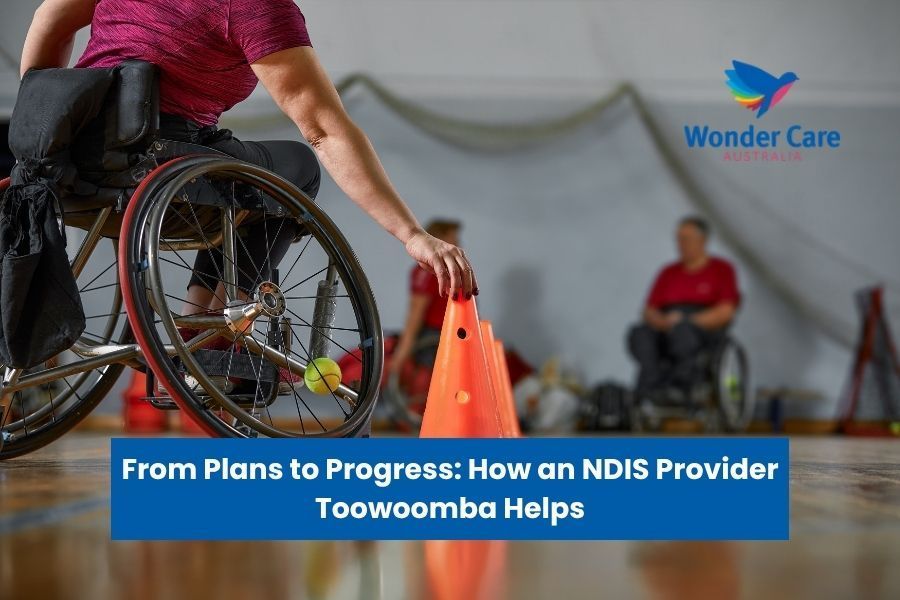
The practice of inclusive sports such as wheelchair basketball and blind cricket creates bonds among participants who share common goals. The local clubs in Toowoomba work together with NDIS providers to create coaching programs which they implement through their combined efforts. The activities help NDIS social skills development through their need to interact with others without speaking and their need to work together in teams.
Therapeutic Aquatics and Hydrotherapy
Adaptive swimming and hydrotherapy provide a swimming environment which enables people with mobility difficulties and sensory processing disorders to interact with others at a low-impact swimming competition. NDIS funding allows organisations to hire support staff who will supervise participants during their social activities by keeping them safe while they interact with their friends at a comfortable location.
2. Creative Arts and Technical Skill-Building Workshops
The participants who need to make direct social contact through structured activities should pursue creative activities. The activities create physical products which help to elevate both self-worth and personal control over one's life.
- Pottery and Visual Arts: Toowoomba studios now provide open table sessions which all people can access for their creative work. The activities effectively develop fine motor skills while creating an environment where people can interact with each other through their natural social behavior.
- Music and Performance Groups: The practice of music therapy and community choirs requires participants to follow others while they work together through their musical performance.
- Digital Media and Coding: For tech-focused participants, group workshops in video editing, 3D printing, or coding are thriving NDIS recreation activities. These groups often lead to niche community connections and potential vocational pathways.
3. Life Skills and Culinary Social Groups
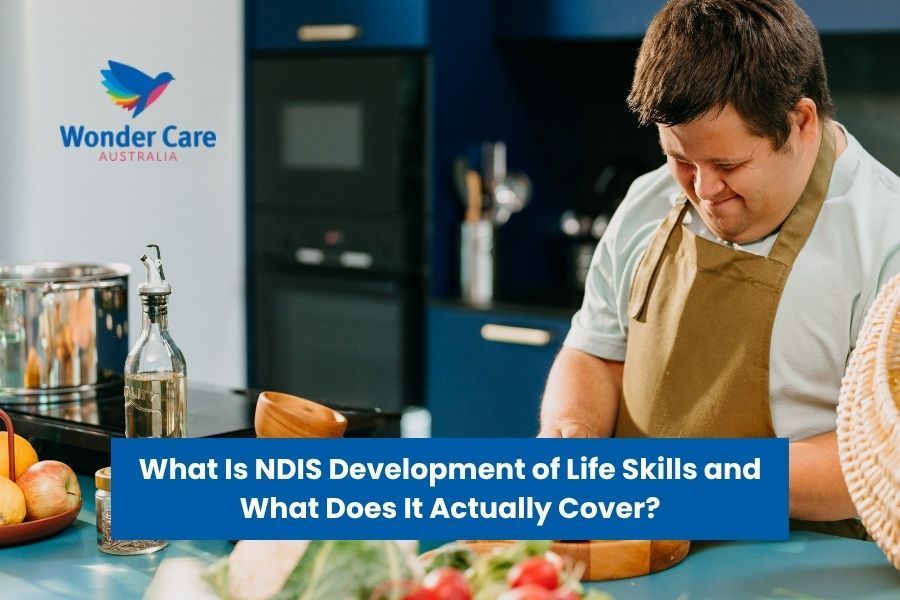
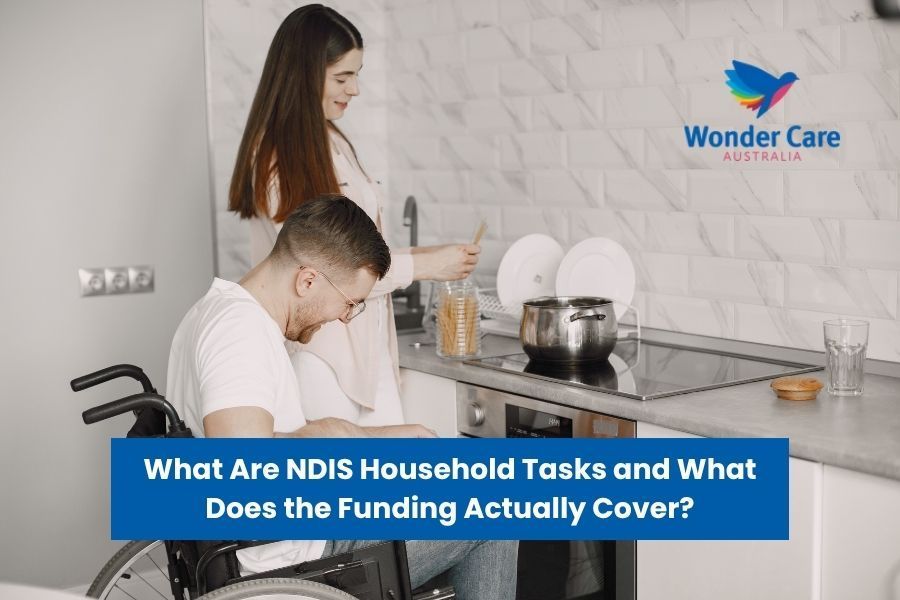
Independence in the home often begins with confidence in the community. Social cooking and nutrition groups are among the most effective NDIS group activities for building practical life skills.
In these professionally facilitated groups, participants learn:
- Safe Kitchen Practices: Mastering appliances and hygiene.
- Social Dining Etiquette: The nuances of sharing a meal and maintaining conversation.
- Community Navigation: Many groups include a shopping component, where participants practice budgeting and interacting with retail staff in Toowoomba.
4. Volunteer and Civic Engagement Programs
In 2026, the NDIS places significant weight on Contribution. Volunteering functions as a principal social activity which enables participants to make community contributions while they build their professional experience.
- Animal Shelter Support: People who volunteer at nearby animal shelters develop their ability to control their emotions and learn how to be responsible.
- Community Gardening: People who work in public gardens throughout Toowoomba experience sensory benefits while they move their bodies together with others.
- Event Support: Participants who help community festivals learn to control their movements in large groups while giving information to others, which helps them with NDIS social skills development.
Optimising Your NDIS Plan for Social Success
The participants need to show how the activity fulfills the Reasonable and Necessary standards to receive funding for their projects. Your social options must connect to your capacity-building goals during your upcoming planning session.
Goal Alignment Strategies
You should create your needs as a specific request that leads to better outcomes:
- I require funding for a support worker to attend a weekly group fitness session to improve my physical stamina and social confidence.
- I want to participate in an inclusive art workshop because it will help me develop communication skills with my classmates while I work on reducing my public social anxiety.
The proper implementation of community participation support enables you to achieve your funding objectives, which create a more self-sufficient and satisfying future.
Frequently Asked Questions (FAQs)
1. Does the NDIS cover the cost of membership or entry fees for social activities?
The NDIS does not fund basic daily expenses which include cinema tickets and gym memberships and club fees because these expenses are part of typical Australian life for all individuals. The NDIS will pay for the support worker who helps you during the activity and for the specialised equipment and tuition costs which are necessary to achieve your disability-related goals.
2. How do group-based activities differ from individual community access?
The community access service provides individual users with dedicated support through a single staff member who helps them build their confidence. NDIS group activities involve sharing support with others (e.g., a 1:2 or 1:3 ratio). Your plan receives lower costs through group activities which create a better environment for developing social skills and establishing authentic relationships with other participants.
3. Can NDIS funding assist with transport to social activities in Toowoomba?
NDIS plans commonly include transport funding as a standard element. The funding can be used to pay support worker transportation to activities, or it can be allocated for taxi and rideshare expenses. You need sufficient transport funding because it helps you keep up regular social activities, especially in rural areas.
4. What role does a support worker play during a social outing?
A support worker is there to facilitate your independence, not just to accompany you. The support worker needs to protect your safety while they assist you with communication needs and provide physical help and guide you through social interactions. A skilled support worker will gradually reduce their assistance until you feel secure in your environment.
5. Are social activities suitable for participants with complex medical or behavioural needs?
Yes. The NDIS system supports all individuals who require various degrees of assistance. Participants who need assistance with both medical and behavioral issues can access High-Intensity social support. This document guarantees you access to a qualified worker who will address your specific needs while you participate in disability-friendly activities in Australia.
6. How can I find local NDIS-supported groups in my area?
The organization Wonder Care Australia has established strong connections with the surrounding community. You can find registered providers through the NDIS myplace portal or by asking your Support Coordinator who can guide you to specific interest groups that match your personal objectives, which include gardening and gaming as well as sports.
7. Is social skills development only for children and teenagers?
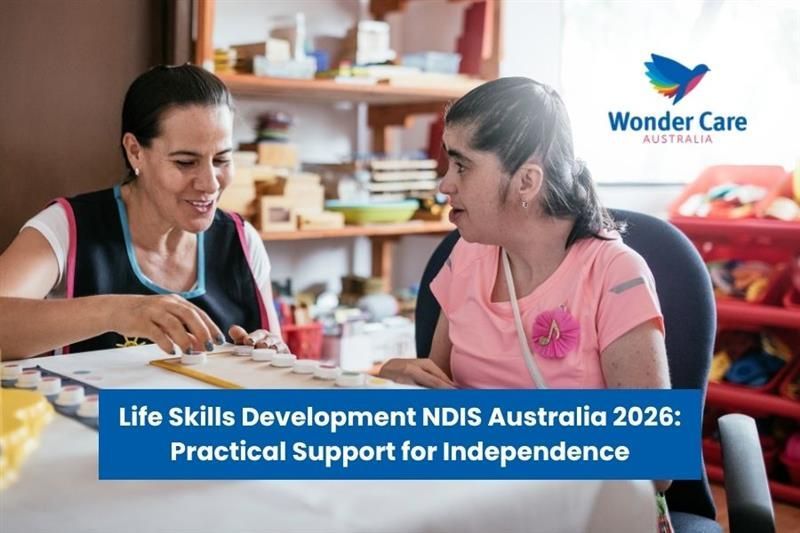
Social skills development applies to all age groups. The NDIS social skills development program offers social skills training from early childhood until the end of life because early intervention remains crucial for development. Adult programs teach workplace soft skills which help maintain long-term friendships and practice self-advocacy. A wide variety of social programming which targets adult audiences will be available throughout Australia in 2026.
Conclusion
The power of the NDIS lies in its ability to return Choice and Control to the participant. By strategically selecting NDIS supported social activities in Australia, you are doing more than just staying busy, you are building a foundation for a more autonomous and connected life.
At Wonder Care Australia, we are committed to providing high-calibre disability support in Toowoomba that goes beyond the basics. Our team focuses on matching participants with activities that reflect their genuine interests, ensuring that every hour of support is an investment in their future.
Ready to enhance your community engagement?
Contact Wonder Care Australia today to discuss how our expert team can help you identify and access the premier social and recreational opportunities in your region. Let us help you achieve your 2026 NDIS goals through professional, person-centred support.