What Is NDIS Development of Life Skills and What Does It Actually Cover?
Getting your first National Disability Insurance Scheme plan can feel completely overwhelming. The paperwork is full of big words, and it is hard to work out what any of it actually means for your day-to-day life. One item that trips a lot of people up is the NDIS development of life skills.
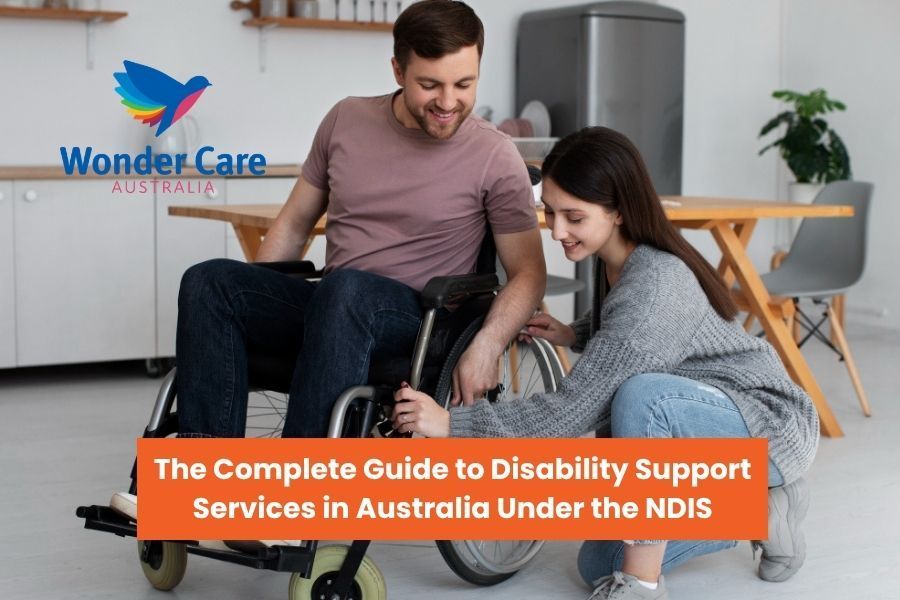
To put it simply, this support is not about paying someone to do tasks for you. It is about having a support worker by your side to teach you how to do those tasks yourself. It’s a practical part of the scheme, designed to build your confidence, help you learn new things, and make you more independent, and honestly kind too.
If you want the best value from your funding, you really need to understand what it means for your budget and how it works day to day. This guide cuts through all the paperwork to explain what NDIS development of life skills covers, how it fits into your funding, and how it might help you live life on your own terms.
What Is Life Skills NDIS Support?
To understand what is life skills NDIS support, it helps to look at the main goal of the whole scheme. The scheme helps people with a disability become more independent in their neighborhood. Instead of doing tasks for you, a NDIS life skills support worker teaches you how to do them on your own.
This service falls under the capacity to build life skills part of your plan, which simply means building up your own strengths over time. When you use this funding, a trained worker provides NDIS development of life skills by spending time with you to practice daily jobs until you can do them with less help. For example, they will help you learn how to cook a healthy meal, clean up the house, or look after your weekly money rather than doing it all for you.
A good disability life skills program Australia wide will also help you learn NDIS daily living skills to travel safely around your town. Instead of driving you, your worker walks with you to teach you how to use a bus or train. This builds your confidence so you can travel on your own.
What Does NDIS Life Skills Support Actually Cover?
This support is very flexible because every person has different goals. The things you practice depend completely on what you want to achieve. However, there are several main areas that a disability life skills program Australia wide will usually cover.
1. Personal Hygiene and Daily Living Skills
Learning to manage your own personal care is a big step toward independence. This area focuses on NDIS daily living skills that you use every single morning and night. It can include:
- Learning a regular routine for showering, brushing teeth, and grooming.
- Practising how to organize your clothes and dress yourself in different weather.
- Learning how to manage your own health routines and take your medicine safely.
2. Household Management and Cooking
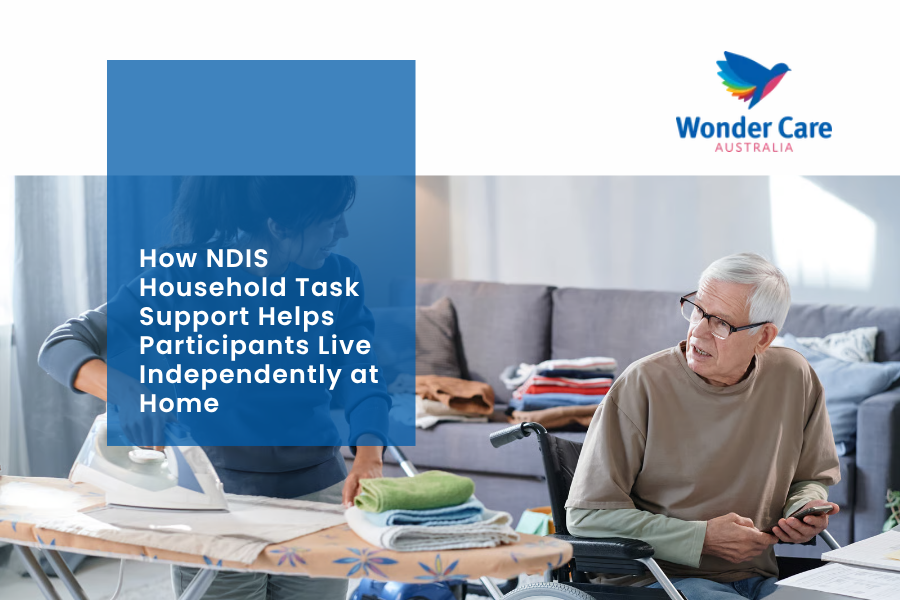
Keeping a home clean, tidy, and safe is a vital part of living on your own. Support workers can help you build skills in the kitchen and around the house by:
- Teaching you how to plan healthy weekly meals and write a shopping list.
- Going to the grocery store with you to practice finding items and paying at the checkout.
- Showing you how to use household appliances safely, like the oven, washing machine, or vacuum.
3. Money Management and Budgeting
Managing your own money gives you a lot of freedom, but it can be hard to learn. This support helps you understand how money works so you can make safe financial choices. It covers:
- Learning how to count money and use an EFTPOS card safely at the shops.
- Understanding how to save up for things you want and set a weekly budget.
- Practising how to look at bills and pay them on time using internet banking.
4. Travel and Public Transport Skills
Being able to get around your town or city opens a world of opportunities. Travel training is a major part of NDIS life skills support. Your worker can assist you by:
- Teaching you how to read bus and train timetables or use transport apps on your phone.
- Practising walking to your local bus stop or train station safely.
- Learning what to do if you get lost, lose your transport card, or if a train is late.
How Does It Fit into Your NDIS Plan?
To use your funding for these services, the support must connect directly to the goals listed in your current plan. When you have your planning meeting, you need to tell the planner that you want to learn how to do things more independently.
The Capacity Building Budget
This service is paid out of your Capacity Building budget. Specifically, it usually sits under the category called Increased Social and Community Participation or Development of Daily Living and Life Skills.
If you have money allocated to these categories, you can use it to hire a provider to work with you on your skills. This funding cannot be moved to buy physical things; it is specifically meant to pay the time a support worker spends teaching you.
How a Local Provider Can Help You Succeed
Sure, you can try to work on these skills with family or friends, but honestly working with a professional provider makes a noticeable difference. A local provider tends to understand how to split larger, kind of complicated tasks into smaller, manageable steps that fit your learning style, not just some generic approach.
Step-by-Step Skill Building
A good provider will not rush you. Kind starts by just watching how you do the task right now, and only after that do they plan so you can get better, slowly and steadily. Like if you want to learn to cook, they might first give you easy meals that don’t involve the stove at all, and then later move you toward more complicated recipes as your confidence builds up.
| Step | What the Support Worker Does |
|---|---|
| 1. Assessment | The worker talks with you to find out what you can do and what you want to learn. |
| 2. Goal Setting | Together, you choose two or three specific skills to focus on over the next few months. |
| 3. Guided Practice | The worker stands with you and guides you through the task, giving clear tips. |
| 4. Independent Trials | You try the task with the worker just watching, ready to help only if you need it. |
| 5. Review | You look at how far you have come and decide if you are ready to learn a new skill. |
Frequently Asked Questions
1. What is the development of life skills under NDIS?
This support covers a trained worker who helps you learn and practice day to day skills. The real aim is to grow your personal independence, so you can handle your own daily routines, household chores, getting around, and budgeting, with less need to rely on others, over time.
2. Where do I find life skills support in my plan?
This service is funded under your Capacity Building budget. Look for the category Development of Daily Living and Life Skills. If you have funding in this section, you can use it to pay for individual or group programs that teach you independent skills.
3. Can life skills help me learn to use a bus?
Yes, travel training is a big deal in this program. A support worker can go along with you on your normal routes, help you figure out how to purchase tickets, show you how to use and read timetables, and build that “I can do this” feeling so you can travel alone safely eventually.
4. Is cooking covered under NDIS life skills?
Yes, but the focus is on teaching you how to cook. The funding pays for a worker to help you learn meal planning, safe kitchen habits, and cooking so you can make your own food later.
5. What is the difference between core and capacity building?
Core funding pays someone to do a task for you because you cannot do it yourself. Capacity building funding pays someone to teach you how to do the task on your own, reducing your need for paid support as your personal skills grow stronger over time.
6. Can I practice life skills in a group program?
Yes, absolutely. You can choose to work one-on-one with a worker or join a small group. Group programs are great for making new friends and learning communication while you practice daily habits together.
7. How do I add life skills goals to my NDIS plan?
During your regular plan review meeting, tell your planner or local area coordinator that you want to become more independent. Ask them to include specific goals about learning to manage your home, travel alone, or budget your money so they can put the funding into the right budget.
Take the Next Step Toward Your Independence
Learning new skills takes time, patience, and the right people to help you. You deserve a team that listens to your goals, respects your choices, and celebrates every win with you.
At Wonder Care Australia, we offer disability support in Toowoomba to help you live life your way. Our friendly team helps you learn cooking, use public transport, or manage your money. We are here to support you with your goals every step of the way.
Are you ready to build your skills and enjoy more freedom? Contact Wonder Care Australia today on 07 2143 5971 to chat about your plan and discover how we can help you succeed.